


Winter Weather Driving Tips
 Winter weather driving tips can be helpful for you. Driving in winter weather can be a challenging task, but it’s essential to keep your car safe and your passengers warm. Here are some tips to help you out. This can help you stay safe while on the road this winter.
Tips for Winter Weather Driving
When driving in winter weather, be sure to follow these tips:
Be aware of your surroundings and stay aware of other drivers. Also remember that it is important to leave enough space between you and the person in front of you. If they need to slam on their brakes, you will want enough time and space to react, especially if it is slick out.
Use care when turning left or right on a slick surface. Slow down, especially when taking a corner or turning. If you go to fast, it can cause you to slide. This could result in going in the ditch or having an accident.
Use your wipers to clean the windshield and glass before you start driving. The windshield should be fully cleared off before you drive. Make sure to remove snow or ice from the hood, roof, and trunk of the vehicle as well. You will not want anything flying off and hitting vehicles driving behind you.
Drive slowly and cautiously on icy roads, as they can be treacherous to drive in at high speeds. Make sure to slow down when driving. Drive at a speed that you are comfortable at when on slick roads. If you slow down to a speed well below the speed limit, make sure to put on your hazard lights. This will alert others that you are going at a slower speed.
Be aware of Your Driving Habits
If you’re driving in winter weather, be sure to practice safe driving habits. Use the right gear, stay Alert of your surroundings, and drive slowly and carefully so as not to trip over objects or people walking on the street.
Vehicle Care in the Winter
 Vehicle care is important. The best way to keep your vehicle running right is to have regular maintenance done on it. This includes things like oil changes, air filters, and tires. However, many people don’t do these things because they think they won’t need them or because they are afraid of the cost. In reality, most times you will need these services and will definitely save money by doing so.
In order to keep your vehicle running right, it’s important to check the air conditioning. Air conditioning can help keep your car cool and comfortable during hot weather or long drives. Additionally, checking the oil level and battery can help ensure that your car is running smoothly and efficiently.
Vehicle Care
It’s also a good idea to check the vehicle’s oil level regularly. Checking it can help determine if there are any new issues with the engine or its oil that need to be addressed. If you are not sure how often the oil should be changed, make sure to contact us. We can advise you on a schedule. You can also check the vehicle owner’s manual as well.
How to Keep Your Vehicle Running Right
One of the best ways to run your car efficiently is by keeping its engine running smoothly. By following these tips, you can increase fuel efficiency and prevent system problems from happening. Keep the engine running smoothly by changing air filters regularly, maintaining oil levels at a level that allows for operation without fail, and following regular schedules. By bringing the vehicle in on a regular basis, we can check it for wear and tear. Anytime you notice any odd noises, make sure to contact us. If you ignore a problem, it will only become worse. Always be aware of the dashboard warning lights, and that they do not illuminate. By having your vehicle inspected regularly, you can safe on time, money, and stress.
Car Engine Trouble to Be Aware of
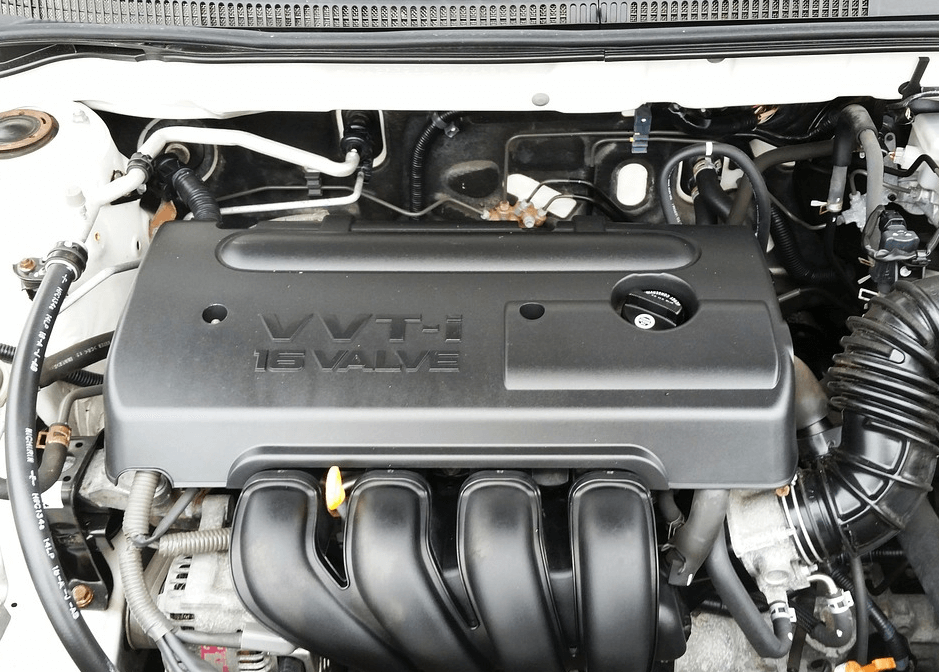
Car engine trouble is something to always be aware of. The engine might be faulty, but the car is still driving. It’s time to take your car in for a checkup and fix any issues that could be causing you problems. Anytime you notice anything out of the norm with the vehicle, make sure to contact us. That way you can ensure your vehicle is safe and efficient.
What to Do If Your Car Engine Is Failing?
If your car engine is not running correctly, it may be worth checking the engine. In most cases, a good way to determine if the engine is bad is to look at the code on the instrument cluster. If the code indicates that there is a problem with the engine, you should replace it. Anytime the light illuminates on the dashboard, it should be taken seriously. This will help prevent further trouble and issues in the long run for your vehicle.
Change the Air Filter in Your Car
Air filters can play an important role in keeping your car running great and preventing air pollution from building up over time. Be sure to change your air filter every 7,500 miles or every 5 years if you drive regularly – whichever comes first! If you are not sure if the air filter needs to be changed, make sure to contact us. We can advise you on a schedule and if a new filter is needed.
If your car engine is not performing as it should, you should check it. If the engine is outdated or has other issues, you may need to replace it. Anytime you notice any odd noises or sounds, make sure to contact us. Catching an issue at the first sign can help prevent it becoming a serious issue in the long run.
Tires and Keeping them in Good Condition

Tires are one of the most important pieces of equipment in a car. Over time, they can cause your car to get old and have problems with fuel and braking. You don’t want your tires to suffer from the same fate as your car! Thankfully, there are ways to keep your wheels healthy and strong. Here’s how.
Tires work by applying pressure to the road surface so that your vehicle can move forward or backward. When you put pressure on the wheel, it creates a rotational force, which helps your car move forwards or backwards. They also need to be inflated in order to be effective, so make sure you get them inflated properly!
Tires & Inspecting them
Tires need to be inflated regularly in order to ensure they’re performing at their best. In addition, keep them clean and free of debris in order to maintain their quality. Finally, check them frequently – especially during the first few months after purchase – in order to ensure that they’re still at or near their original pressure.
Proper Inflation
Tires can get a little snug during the first few months after purchase, but don’t worry; inflation will help them adjust and stay inflated throughout your trip. Maintaining your tires in good condition by cleaning them regularly is also key – especially if you plan on using them on long trips or on various surfaces. And if you do plan on using them on different surfaces, be sure to also inflate them separately for each surface!
Tires can easily go bad if they don’t get inflated. In order to keep your tires inflated, check the pressure regularly. Make sure the tire pressure is at the correct level for your car. If you find that the pressure isn’t at or near this level, check the tire for debris and clean it as needed.
Tires also need to be kept in good condition by cleaning them regularly. This includes removing all debris, checking for wear and tear, and overall inspections. Additionally, make sure your wheels are free of dirt and other debris that could cause them to go flat. Maintaining your tires in good condition will ensure that they stay inflated and in great shape for miles to come!
Keep your tires inflated, clean them regularly, and maintain them in good condition to ensure that they are performing optimally. By doing these simple things, you can keep your tires in good condition and perform better in the long run. Remember if there are an issues with your vehicle, make sure to contact us. We can inspect the entire car. We can then advise you on the options to help keep the car in the best condition possible. Remember to schedule regular maintenance so the parts work and operate efficiently when you drive.
Windshield Wipers and the Benefits they Have
 Windshield wipers are essential for keeping your windshield clean and clear. They also help to keep you safe when driving. This is because you can see the road more clearly. A good window wiper will remove all the dirt, dust, and other debris from your glass surface. This will ensure that your windshield is clean and clear for a safe driving experience. Window wipers come in many different types, sizes, and shapes. You should choose the type of window wiper that is best for your car. Contact us, and we can advise on the correct one, as well as inspect the wipers too.
Visibility is Important
The wipers will play an important part in the visibility when you drive. As they operate, they clear away any dirt, leaves, insects, or road grime that is on the windshield. The most important part of the windshield wiper is how it removes precipitation of the windshield. If it is raining, snowing, or sleeting, you will need the wipers to be in the best condition possible. As cars pass you, the tires will spray up on the windshield some road grime. This can decrease your visibility when driving. So make sure that the wipers are always in good condition and the car has washer fluid in it.
Windshield wipers and Inspecting them
Window wipers are a critical part of your car. They can improve your windshield and keep it clean and shiny. It’s important to choose the right windshield wiper for you. By considering your needs, comparing the different types of window wipers, and comparing the prices of different window wipers, you can make sure that you’re getting the best value for your money. You can check in the owner’s manual for the correct size, or contact us. Always remember to look for any issues the wipers have, and get them replaced as soon as possible.
How to Tell If Your Wiper Blade Needs Replacement
 It’s that time of year again, and you’re due for a new wiper blade. But what do you do if the old one stopped working? Here’s a guide on how to tell if your blade needs replacement.
What is a Wiper Blade
Wipers are a common piece of equipment for each of your vehicles. They are used to clean surfaces, such as windows, mirrors, etc. They will help clear away water and debris, so that you can see the road ahead of you when you drive. Make sure when you replace them, you get the correct size and type needed.
The Purpose
The purpose of a wiper blade can also be determined by its shape – an elliptical blade will be more effective at wiping away rain droplets than a round blade, for example. Additionally, certain shapes (like V-shaped) are more effective at gripping onto objects than others (like A-shaped). The right type of wiper blade is important, so always make sure to double check.
How to Replace them
To replace a wiper blade on your vehicle, remove the old blade and place the new one in its place. If you are not sure how to replace the wipers, make sure to contact us. Replacing a wiper blade is an important task that should be done as soon as possible. By checking the condition of your blade, knowing the size of the blade, and fitting it into the socket, you can easily replace your wiper blade. Additionally, using a wiper blade cleaner can help to keep your blades clean and in good condition. If there are any issues you notice with the wipers, always make sure to contact us. We can schedule an appointment so we can get your vehicle in to be inspected. This can help to improve the safety of your vehicle when you drive this year.
Efficient Vehicle Maintenance for Drivers
 An efficient vehicle is important. Drivers are always on the go and their families rely on efficient vehicle maintenance to keep them safe and comfortable. Here’s how you can help make your driving experience even more enjoyable and reliable! First, consider what types of services your drivers need and when they may need them. Next, find the right parts and products to keep your vehicles running smoothly. Finally, be sure to schedule regular maintenance visits with your drivers so that they can get the most out of their vehicles.
How to Maintain Your Vehicle safely and efficiently
Vehicles need regular maintenance in order to be safe and efficient. In order to keep your car running smoothly and efficiently, you need to understand the basics of vehicle maintenance. Here are some key points to keep in mind:
- Keep your vehicle clean and free of debris. Dirt, dust, and other debris can cause air conditioning systems to malfunction, reduce gas mileage, and create other problems. Cleaning your car regularly will help prevent these issues from happening and will also protect it from damage.
- Keep your tires inflated properly. The pressure on your tires affects both their speed and the stability of the car ride. Over-inflated tires can cause instability on the road as well as during braking or turning maneuvers – this can lead to a loss of control and injury!
- Check fluid levels regularly. Fluid levels inside and outside of your vehicle vary depending on the make, year, model, etc., of your vehicle – always check fluid levels before each trip in order to avoid any potential problems down the road!
- Inspect brakes often (especially if you use them often on wet or icy roads). Brakes can start to squeak after a while if they’re not maintained properly – inspect them frequently for evidence of wear and tear so you can correct it before it becomes a safety hazard!
- Maintain accessories like headlights, taillights, wipers, mirrors… regularly too! By doing so, you’ll help ensure that your car functions safely at all times while on the road – without having to worry about maintaining it yourself!
How to Have an efficient vehicle
One of the most important things you can do to keep your car running smoothly is to keep it clean. A clean vehicle starts with a clean engine, and continues down the line with a properly maintained electrical system, tires, and engine oil. It’s important to keep your vehicle in good condition so that it can run efficiently for years to come! In order for your car to run optimally, its electrical systems need to be regularly checked and kept up-to-date. This includes checking for power problems, checking battery levels, and watching for any signs of rust or corrosion. By doing this, you can ensure that your car stays running smoothly even when there are unexpected issues!
Tires are one of the most important aspects of a drivers’ vehicle; they play an essential role in keeping you safe on the road. However, over time they can become patchy or lose their shape, which can lead to problems down the line. To prevent this from happening, always check your tire pressure every time you get a new set! It’s important to maintain your engine oil level at all times; without it, your engine will start making noise and could also suffer from other malfunctions. Regularly checking your oil level will help make sure that everything is running smoothly overall and keep you safe on the road.
Tires that Keep You Safe: Tips for Safe and Effective Driving

Tires are one of the most important pieces of equipment you have on your car. Not only do they protect your vehicle and its passengers, but they can also improve your driving experience. In this article, we’ll provide you with tips for safe and effective driving while using tires.
How to Choose the Right Tires
The purpose of your tires is to protect you and the car while driving. Tires have a variety of purposes, including stopping the vehicle on the road, reducing wind resistance, and giving you traction on wet or icy surfaces.
What Types of Tires Are Best for You
There are many different types of tires available, each with its own benefits. To find the right tire for your needs, it’s important to understand their purpose and what type of driving you will be doing. Here are some basic tips:
– Choose a tire that is appropriate for your vehicle: A properly inflated tire will help reduce drag while driving. Otherwise your vehicle may be more difficult to handle while on the road.
– Inspect the tread depth: Be sure to check the tread depth before buying any tire because it can affect how well the tire will grip on pavement. It will also affect how well it will hold up over time. With deep treads, your car will have less chance of slipping when braking or turning.
How to Choose the Right Tire
The size of your tire is one important factor to consider when choosing a tire. Choose a tire that will fit snugly on your vehicle and provide the stability you need for safe driving. We can also advise you on what tires you can choose from. Depending where you drive, and the type of roads you plan on traveling on, it could determine what type of tire you may need. Make sure to contact us and we can inspect your vehicle, as well as advise what type of tire is best for your car. No matter what issue you may start to notice with your vehicle, it is always recommended to make an appointment. This way we can check for the issue and an efficient way to fix it. This will help you get back on the road quickly.
6 ways to increase visibility while driving

Whether you’re commuting to work or planning your next road trip, safe driving is a must-have. One way to improve your driving safety is to increase your visibility while driving. Improving your visibility will help you see potentially dangerous situations as you drive, and assess changing conditions on the roads. But how do you go about improving your visibility while driving? Keep reading as we cover 6 ways to increase your visibility while driving.
Keep your windshield clean
Let’s just start with the basics. A dirty windshield blocks your vision and can be dangerous at night. If your windshield has any smudging or hazing on it – street lights and oncoming headlights can cause a glare which becomes a visibility issue. To be safe, we recommend making a habit out of cleaning your windshield when you fill up for gas.
Check your windshield wipers
Did you know that your windshield wiper blades can dull over time? Your blades promote safety in all weather conditions by keeping your windshield clean and clear. We recommend replacing your blades every 6 months – so it’s a good idea to replace them if it’s been a while. Since you’re already checking those wiper blades, it’s also a great time to check your windshield washer fluid levels and fill them up to keep your sight lines clear while you’re driving.
Clean your headlights
When driving at night, your headlights are essential to safe driving and greater visibility. Dirt and debris can accumulate on your headlights causing them to dim. It’s a good idea to clean these regularly when you’re cleaning your windshield. We also recommend inspecting your headlight frequently and replacing any burned out bulbs.
Repair chips and cracks right away
It’s probably happened to all of us. We’re driving down the road minding our own business when all of a sudden a tiny rock comes flying toward our windshield – causing a little chip. When left unattended, that tiny chip in your glass can turn into a crack which can cause a visibility issue. For your peace of mind and greater visibility, we recommend fixing those chips and cracks ASAP.
Uncover your windows
Covered windows in your car can become a visibility challenge. Before you pull out of that driveway, we recommend clearing your windows by rolling up those sun shades – even in the back seat. Another visibility issue comes when you’ve got your belongings in back. From hanging clothes to boxes in the back, a full backseat and trunk area in an SUV can decrease your visibility. Consider packing boxes on either side of your car leaving space in the middle to see out your window via your rear view mirror. For things like hanging clothes, consider purchasing a car organizer – for instance, a hanger that wraps around your headrest and allows you to hang clothes without blocking your view.
Minimize your blind spots
One quick way to increase your visibility is to minimize your blind spots. Newer cars have blind spot warning systems, but if your car doesn’t there are still some things you can do. Start with setting your side mirrors 15 degrees out from your car. To set your mirrors at the best position, you’ll want to lean your head so that it’s even with the driver side window and adjust your mirror so that you can see your car. You can do the same for the right side, but you’ll want to make the adjustments from the center of the car. These quick fixes should minimize your blind spots for safer driving.
These 6 steps will help you increase visibility for a safer driving experience. If you want to ensure safer driving, just make an appointment. Our team is ready to ensure your safety and get you back on the road in no time.
6 simple steps to getting your car road trip ready

Summer is here, and it’s the perfect time to be planning your next road trip. Whether you’re driving a couple of hours to the cabin or across the country to a national park, you have a lot of details to manage and get road trip ready. One thing that should not be neglected is getting your car ready. If you’re looking for some maintenance check ideas to get your car ready for your next road trip, we’ve got you covered with our 6 simple steps.
Check your tires before a road trip
Step one is to make sure your tires are good to go before you hit the road. Improperly inflated tires can add stress to your engine, add unnecessary wear and tear to your brakes and suspension, and cause uneven tire wear. Poorly inflated tires can be susceptible to blow outs, and decrease your fuel economy by 1%. Inflate your tires to the manufacturer’s recommended levels which can typically be found in your owner’s manual or on the sticker on the driver’s side door jam. You’ll also want to make sure your tires have been properly rotated. Cars with front wheel or rear wheel drive can cause your tires to wear more quickly. Rotating your tires (which should be done every 5,000-8,000 miles) will promote even wear – keeping you safe on the road this summer.
Check your brakes
It goes without saying that your brakes are important for your safety on your next road trip – so before you head out on the highways, we recommend having your mechanic inspect your brakes. Some signs that your brake pads are wearing include: squealing or other odd noises when you apply the brakes, a spongy brake pedal, pulling to one side when braking, or a shaking brake pedal. If you notice any of these signs, it’s a good idea to have your mechanic check your brakes before a long trip.
Check your belts & hoses before taking a road trip
Your belts & hoses are critical to keeping your electrical system, power steering, and cooling systems functioning. A broken belt or hose can leave you stranded by the side of the road waiting for a tow truck. You’ll want to have your belts checked for any fraying or cracking. In addition, you can have your mechanic check to verify that they are secure and don’t have a large amount of slack. When it comes to your hoses, ask your mechanic to check for leaks and drips. Some manufacturers recommend changing these every 60,000 miles so if it’s been awhile, it may be time to have your mechanic take a peek under the hood.
Lights
Checking your lights before a long road trip is always a good idea. Be sure to check your interior lights, and then check your headlights, tail lights, and turn signals. Plan on replacing any burned out bulbs. While you are checking your lights, it’s a good time to inspect your windshield wipers. You should replace your windshield wipers every 6 months, so if it’s been a while since you installed a new pair – now is a great time to do it and ensure visibility in case you run into any summer rains on your trip.
Air Conditioner
If you haven’t had your AC system checked this summer, plan on asking your mechanic to run a check before you hit the road in the heat of summer. If you’ve noticed that your AC is not blowing cold air like it used to, it’s a sure sign you should have it checked before your trip. While you’re at the mechanic, it’s also a good time to replace your cabin air filter – which keeps allergens, mold, and pollutants out of the interior of your car.
Top off your fluids
One last check before you hit the road? You’ll want to make sure your fluids are topped off and ready to go. You can start with an oil change, but also check your fluid levels on your transmission, power steering, and brake fluids to ensure a smooth ride throughout your whole trip.
While there are a lot of details to check before any road strip, these 6 steps will get you in the right direction. If you’ve got a road trip coming up, our team would love to help. Simply make an appointment and we’ll get your car road trip ready in no time.
Thank you for considering Brausen Repair Centers!
We look forward to earning your vehicle service and repair business.